
B-stock Is Emerging as Fashion’s Most Undervalued Revenue Stream
Around 40% of all garments purchased online in the EU are returned, a figure that has steadily increased over recent years and could soon approach 50%. Of these returns, roughly 10% can no longer be sold as new due to minor signs of wear, a share that is also growing.
Most items are returned with small issues such as wrinkles or light stains, but an increasing portion is driven by so-called “wardrobing”: a form of returns abuse where garments are worn once or twice for an event or content creation and then returned for a full refund.
These returned items with minor faults are known as B-stock — and they are rapidly becoming one of fashion’s most overlooked revenue opportunities.
To address this, Ninyes has launched a fully managed B-stock resale service. Brands simply collect and ship returned items to Ninyes. From there, Ninyes handles inspection, grading, pricing, resale, customer service, and returns, all through a brand-safe resale experience, avoiding outlets and traditional liquidation channels. Brands receive a healthy commission on every item sold.
Ninyes works selectively with brands where resale supports long-term brand value. In a recent pilot with VIBAe, hundreds of returned shoes previously destined for recycling or waste generated the equivalent of 1% additional annual revenue for the brand. Items sold at approximately 50% of original RRP — 2–4× higher than typical outcomes on P2P platforms or in outlet channels.
As the EU’s ESPR and EPR regulations begin to roll out, this matters more than ever. With Ninyes’ B-stock service, reuse:
Reduces costs
Increases revenue
Delivers measurable impact
Germany’s Textil Wirtschaft featured Ninyes in their recent article about B-stock: textilwirtschaft.de/green/news/retouren-so-bleibt-b-ware-aus-retouren-im-kreislauf-251917
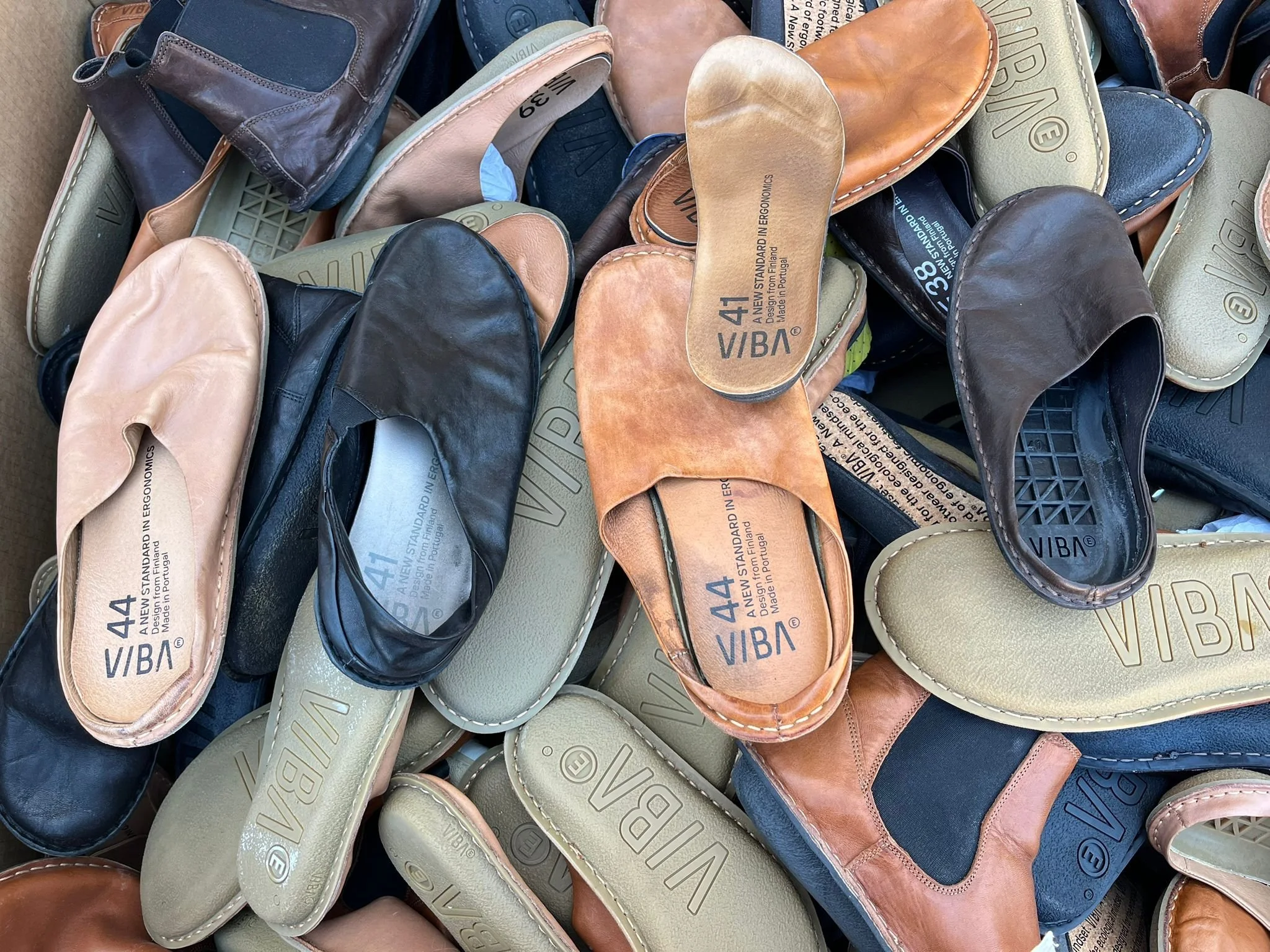
Ninyes new B-stock service turns items previously doomed to waste into reuse and new revenue.